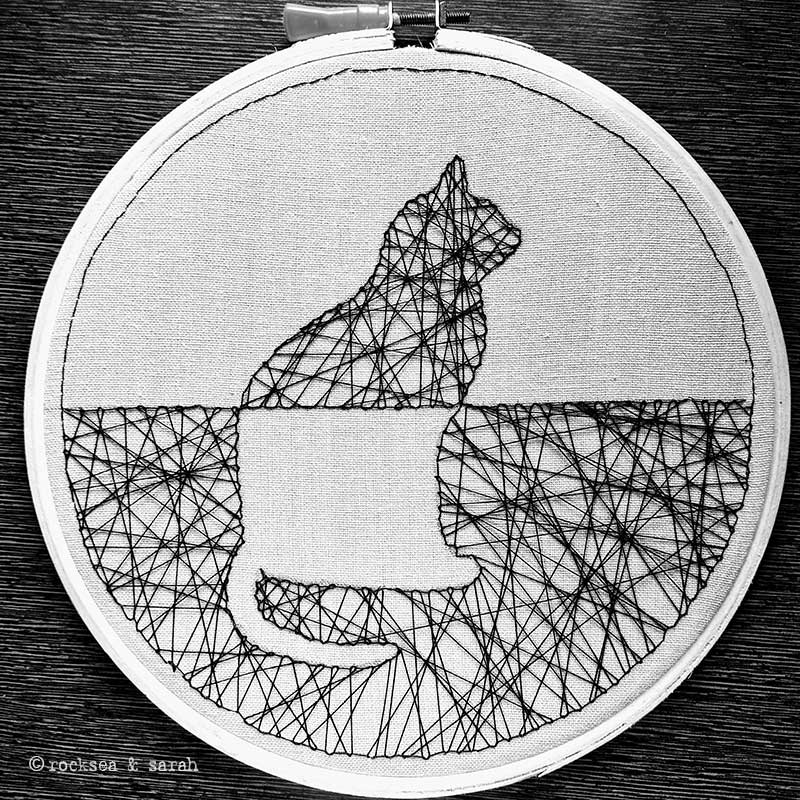
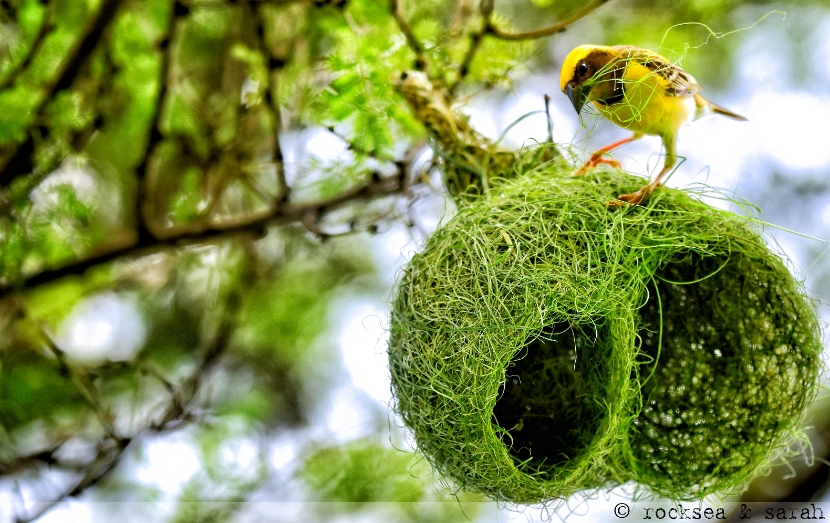
To begin with, it is always nice that we start with the history of things. When did embroidery begin cannot be really told though we can only assume that it has been around ever since man began to cloth himself. Every culture had developed the art of needlework, from egyptians, to the moors, to the indians, to the chinese. There had also been exchange of the art of embroidery between cultures and countries over the ages and each one took them to mix it with their tastes and brought forth an enhanced version.

 I thought it will be good if I can post a stitch every 3-4 days. The lessons will be illustrative. So, in cases where the words don’t help, just refer to the pictures to follow  the logics and methods of a stitch. You can click on each image to see an enlarged and clearer version. :)  

The stitches will be shown on the side bar over the right hand side. I will start with the most basic stiches and move to more complex ones. So, for beginners, they can follow the order of stitches starting from the top. 

hand embroidery To do basic embroidery, you would require the following things:

  1. A piece of cotton fabric to practice your embroidery.          

  2.  A pair of scissors.          

  3.  A set of needles – quilting needles, long needles, tapestry needles, blunt needle. These needles have different lengths and thickness and can be used dependig on the type of fabric and thread being used. The blunt needle is usualy used to do embroidery without piercing the fabric.            

  4.  A few colorful cotton ‘anchor’ branded  threads or floss.          

  5.  A ring to hold the fabric tight for better stitching. I don’t use a ring, though, for my embroideries. So, I presonally feel it is not a must, but maybe a convenience to some of you.

hand embroidery sample : couching method  

Tags: , , , , , , , , , , , , , , , , , , , ,

Related posts

Please see the sidebar for other sub pages.